


Featured Tanzania Safari Packages
Our Dream Safari Packages give you the ultimate best that the safari circuit has to offer... Experienced Private Guides, Luxury Lodges, Delicious & Wholesome Meals, Excellent 4x4 Safari Vehicles and Much More!

9 Days, 8 Nights 2 - 6 Pax

7 Days, 6 Nights 2 - 6 Pax

10 Days, 9 Nights 2 - 6 Pax

5 Days, 4 Nights 2 - 6 Pax

5 Days, 4 Nights 2 - 6 Pax

3 Days, 2 Nights 2 - 6 Pax
Tanzania Safaris
Crafting Unforgettable Safaris
At Hadzabe Safari Adventures, we are dedicated to providing exceptional safari experiences that immerse our guests in the natural wonders and cultural richness of Tanzania. Our team is passionate about creating memorable journeys and ensuring that every aspect of your safari is meticulously planned and executed to perfection.

Budget Tanzania Safari Packages
At Hadzabe Safari Adventures, we specialize in creating personalized safari & tour packages that cater to your specific requirements, ensuring an unforgettable experience filled with fulfillment, fun, and educational travel.

Mid-range Tanzania Safari Packages
We take care of all your accommodation needs, from luxury lodges to semi-luxury options, and organize diverse excursions including walking safaris, bird watching, game viewing, and beach trips to exotic islands.

Luxury Tanzania Safari Packages
Explore the rich cultural and historical heritage of Tanzania with our expertly curated tours, designed to provide you with an immersive and enlightening experience.
Destinations
Serengeti National Park

Serengeti National Park, a jewel in the heart of Tanzania, stands as a testament to the wonders of nature and the importance of conservation. Spanning over 14,750 square kilometers, this iconic park is renowned for its rich biodiversity, unique ecosystem, and mesmerizing landscapes.
Ngorongoro Crater

Ngorongoro Conservation Area, situated in northern Tanzania, is a testament to the wonders of nature and a UNESCO World Heritage Site. Spanning over 8,000 square kilometers, this area is renowned for the stunning Ngorongoro Crater, its unique geography and rich biodiversity
Manyara National Park

Nestled at the base of the Great Rift Valley escarpment, Lake Manyara National Park is a hidden gem in northern Tanzania. This park, covering approximately 330 square kilometers, offers a unique blend of diverse ecosystems, making it a haven for wildlife enthusiasts and birdwatchers.
Tarangire National Park

Tanzania, a land blessed with natural wonders, harbors one of its crown jewels – Tarangire National Park.
Nestled in the heart of the country, this expansive wildlife sanctuary stands as a testament to the raw beauty and biodiversity that defines Africa.
Arusha National Park

Arusha National Park is a gem waiting to be discovered by nature enthusiasts and wildlife lovers alike. Spanning an area of approximately 137 square kilometers, this park offers a unique blend of diverse landscapes, abundant wildlife, and cultural heritage, making it a must-visit destination for travelers exploring Tanzania.
Zanzibar Island

While many of the Zanzibar’s attractions are located in the city, the island is small enough to explore in its entirety—some of the best things to do in Zanzibar include visiting remote beaches, conservation areas, and spice farms.
Zanzibar also boasts of lots of water activities that will keep any avid explorer very busy.
Safari Types
There are 4 main ways of embarking on epic safaris in Tanzania. Each safari types offers distinct advantages and impacts your overall safari experience.
Fly In, Fly Out
Skip the long drives entirely and maximize your wildlife time! You'll fly directly from Arusha or Zanzibar into airstrips right inside the parks—land in Seronera (Central Serengeti) and start your game drive within minutes. Popular for 3-4 day Serengeti-focused trips or combining multiple parks like flying Arusha → Serengeti → Ngorongoro → Arusha.
Perfect for travelers with limited time, older guests who find long drives uncomfortable, or honeymooners wanting luxury without the bumpy roads. You'll enjoy breathtaking aerial views of the Rift Valley and migration herds below.
Main advantage: Turns 6-8 hours of driving into a scenic 45-minute flight, giving you two extra full days of game viewing..
Drive In, Fly Out
Start with the classic overland safari experience from Arusha, visiting Tarangire and Ngorongoro Crater first, then drive to Serengeti for the main event. When it's time to leave, fly directly back to Arusha or onward to Zanzibar for your beach extension. Example itinerary: Drive Arusha → Tarangire (2 hours) → Ngorongoro (3 hours) → Serengeti (4 hours), spend 3 days exploring, then fly Serengeti → Zanzibar.
This is perfect for photographers who want to capture landscapes along the way and travelers who enjoy the journey as much as the destination.
Main advantage: You experience the beautiful scenic drive through the Great Rift Valley and volcanic highlands when you're fresh and energized, then skip the tiring return journey when you're safari-weary.
Fly In, Drive Out
Fly into your farthest destination first, then gradually drive back toward Arusha. For example: fly directly to Serengeti's Kogatende airstrip (Northern Serengeti), spend 2-3 days there, then drive through Central Serengeti, visit Ngorongoro Crater, and finish at Lake Manyara before returning to Arusha.
This works brilliantly during migration season when you want to reach the Mara River crossing area quickly. You'll see the parks from different perspectives—bird's eye view going in, ground-level wildlife encounters coming out.
Main advantage: Eliminates the exhausting initial 8-hour drive to Serengeti, so you arrive fresh and ready for afternoon game drives, while still experiencing the scenic overland route through Tanzania's diverse landscapes.
Drive In, Drive Out
The traditional overland safari experience—drive from Arusha through all the parks and back again. A typical 6-7 day route: Arusha → Tarangire → Lake Manyara → Ngorongoro Crater → Serengeti → return via the same route or loop back through different areas.
You'll travel through authentic Tanzanian villages, see Maasai herders with their cattle, stop at scenic viewpoints over the Rift Valley, and watch the landscape transform from highlands to endless plains. Most budget and mid-range safaris use this format.
Main advantage: Most affordable option (flights are expensive!), allows flexible routing and spontaneous stops, gives you the full ground-level immersion in Tanzania's diverse ecosystems, and you can pack more luggage since you're not limited by small aircraft weight restrictions.
Cultural Tours
Up Close with Culture
Hadzabe Tribe
The Hadza, a Tanzanian indigenous group, are renowned for their hunter-gatherer lifestyle, relying on bows, arrows, and gathering for sustenance. Their language features click consonants, unique among African tongues. With a nomadic existence, they maintain an egalitarian society, sharing resources and preserving their cultural traditions amidst modern challenges.


Hadzabe People
The Hadza people, based within Tanzania’s Lake Eyasi area, represent a time-honored foraging way of life. Their speech, marked by clicking sounds, remains distinct across Africa. Living nomadic, they travel according to seasonal supplies, sustaining a community where choices are reached by agreement. Despite contemporary challenges, they continue safeguarding tradition
Hadzabe Safaris & Tours
Hadza safaris and tours offer immersive experiences into the unique lifestyle and culture of the Hadza people.
These tours often include opportunities to accompany Hadza hunters on foraging expeditions, participate in traditional activities such as fire-making and honey-gathering, and learn about their language, customs, and social structure.
Guides provide insights into the Hadza’s relationship with their environment and the challenges they face in preserving their way of life amidst modernization.

Tanzania’s Natural Wonders:
Three Icons of the Wild
Tanzania is home to three of the world's greatest spectacles
The Great Migration — Serengeti
The Great Migration unfolds across the legendary Serengeti, where millions of wildebeest, zebra, and gazelle move in timeless rhythm. Driven by rain and survival, this epic journey delivers raw drama: thunderous hooves, river crossings, predators in pursuit—nature’s greatest wildlife spectacle, witnessed nowhere else on Earth, in its purest untamed form.
Mount Kilimanjaro — Africa’s Highest Peak
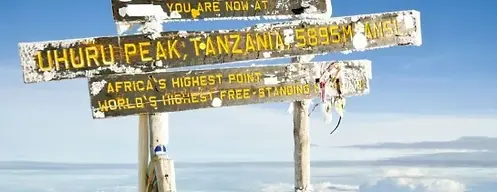
Mount Kilimanjaro rises above Africa as its tallest peak, a solitary giant crowned with snow. From tropical forests to alpine deserts and icy summit, the climb is a journey through worlds. Reaching Uhuru Peak is a triumph of endurance, perspective, and profound human achievement, against breathtaking skies and ancient landscapes.
Ngorongoro Crater — A World Within a World
Ngorongoro Crater is a natural masterpiece, formed by a collapsed volcano and sheltering extraordinary wildlife. Within its vast walls, lions, elephants, rhinos, and flamingos thrive year-round. This self-contained ecosystem offers unmatched density, beauty, and a rare glimpse of Africa as it once was, before modern borders, roads, crowds, fences, existed.
Balloon Safari
An Experience Like No Other
You’ve never experienced true magic, until you’ve flown in a Hot Air Balloon over the Serengeti National Park
An amazing once-in-a-lifetime event, a balloon safari above the Serengeti is especially ideal for a bird’s eye-view game viewing experience on your Safari in northern Tanzania. This premier national park offers hot air balloon trips out of three locations. Animals congregate throughout the year in the Seronera River Valley in the Central Serengeti, where there is always water. In May and June, the Great Migration travels through this area.
Each flight is unique, some high enough to view the panoramic landscape for miles ahead, others low enough to see individual animals at close quarters.

Conquering Mount Kilimanjaro
Machame Route
The Machame Route or ‘Whiskey Route’ is the most popular route and has the best chance of success. The route’s steady altitude gain makes it a bit easier than other routes. The Machame Route can be done in 6 or 7 days.

Lemosho Route
The Lemosho Route or is one of the newer routes on the mountain. Unlike other routes, it takes on the west-side of the mountain, making the climb even more special and unique.

The Northern Circuit Route
The Northern Circuit is the longest route on Mount Kilimanjaro, a 9-day trek. This route initially ascends via the Lemosho Route on the west side of the mountain, but then chooses it’s own path. It combines of all the best elements of several other routes, brought together in one fantastic walk.

Rongai Route
The Kilimanjaro Rongai Route, otherwise known as the ‘Loitokok Route’, is the only route that approaches Mount Kilimanjaro from the north. It is the least visited of all the routes on Kilimanjaro. It also has a greater chance of seeing large wildlife, such as buffaloes, elephants and antelopes.

Shira Route
The Kilimanjaro Shira Route is almost identical to the Lemosho route. The route approaches Kilimanjaro from the west, traversing the entire Shira Plateau from west to east.

Umbwe Route
The Umbwe Route on Mount Kilimanjaro is the shortest, steepest, and most challenging path, known for its direct ascent and low traffic, making it ideal for experienced trekkers seeking solitude but posing significant acclimatization risks.

Marangu Route
The Marangu route is a popular route and also the cheapest. It is the only route that offers mountain huts instead of tents for the overnight stays. The route leads straight up to the summit and down again via the same route. Altitude changes per day are significant, which is why this route is only suitable for experienced climbers.


What Our Clients Say

I did 6 days, with 2 days in Serengeti on a solo private trip. It was the best trip I ever did. The guide, Joshua, was amazing, nice and kind. And the customers service really great. I have been able to make changes during the safari without any problems. I saw so many beautiful Thai ha, so many animals, and I met so many good people. And more, I had home local food every day. I highly recommended this tour.
FAQs
Explore our frequently asked questions to find answers to all your queries and concerns. We are here to provide you with the information you need.
Safety and Health
Is Tanzania safe for tourists?
Absolutely! Tanzania is one of Africa's safest safari destinations and tourists are well-protected here. You'll be in national parks with excellent security, staying at lodges that take your safety seriously, and traveling with licensed operators who know these areas inside out. Just stick with your guide's advice, stay in tourist areas, and you'll have a worry-free adventure. Violent crime against tourists is extremely rare.
Do I need malaria medication for Tanzania?
Yes, you'll want to take malaria prophylaxis for the safari parks. Tarangire, Serengeti, and Lake Manyara are all in malaria zones, so it's important to protect yourself. The good news? Ngorongoro Crater sits at high altitude, so there's very little malaria risk there. We always advise our guests to chat with their doctor about 4-6 weeks before their trip to get the right medication started.
What vaccinations do I need?
If you're flying in from a yellow fever country, you'll need that vaccination certificate—they'll check it at the airport. Beyond that, we strongly recommend getting Hepatitis A, Typhoid, and making sure your Tetanus is up to date. These are the ones that really matter for Tanzania. Check that your routine vaccinations are current too, and you'll be all set!
Can I drink the water in Tanzania?
What happens if I get sick or injured on safari?
Are there dangerous animals around the lodges at night?
Stick to bottled or filtered water throughout your trip. All our lodges provide plenty of safe drinking water, so you won't go thirsty. We even recommend brushing your teeth with bottled water just to be safe. And that tempting ice in your drink at local bars? Skip it unless you're at a quality lodge or restaurant.
Don't worry, we've got you covered! All reputable safari operators carry first aid kits and guides are trained in basic emergency response. Serious cases? We'll evacuate you to Arusha, which has good hospitals, or arrange a flying doctor service if you're deep in the Serengeti. This is exactly why we always insist our guests get comprehensive travel insurance that includes emergency evacuation. It's rare, but being prepared gives everyone peace of mind.
Yes, and that's the exciting part! You're in the wild, so elephants, hippos, buffalo, and occasionally lions do wander through lodge grounds at night. That's why lodges provide armed guards or Maasai watchmen to escort you between your room and the restaurant after dark. Never walk alone at night—always call for an escort. I've seen guests ignore this and have close encounters they definitely didn't want. Respect the wildlife and you'll be perfectly safe.
Logistics & Planning
When is the best time to see the Great Migration?
This is our favorite question! The Migration offers something special year-round. January to March is calving season in the Southern Serengeti around Ndutu—imagine thousands of baby wildebeest and incredible predator action. June to July brings the Grumeti River crossings, while August to October is when you'll see those dramatic Mara River crossings everyone dreams about. Each season has its own magic!
How many days do I need for a Tanzania safari?
We recommend at least 5-7 days if you want the full experience including the Serengeti. You can do a solid 3-day safari covering Tarangire and Ngorongoro Crater, which is fantastic for first-timers. Anything less than 3 days means you'll spend more time driving than actually watching wildlife, and that's not what you came here for! If you only have 2 days, focus on Ngorongoro Crater alone.
What's the closest airport to the safari parks?
You'll want to fly into Kilimanjaro International Airport (JRO)—it's only 50km from Arusha, which is our safari basecamp. From there, we can easily reach all the Northern Circuit parks. There's also Arusha Airport for domestic flights straight to the Serengeti. Here's a tip: don't make the mistake of flying into Dar es Salaam for Northern parks—that's a brutal 650km drive you don't want!
Can I do a safari if I'm coming from Zanzibar?
Definitely! We do this all the time. You'll fly from Zanzibar to Arusha (just 1.5 hours), then we'll drive to the parks. Or even better, you can fly directly to Serengeti airstrips and land right in the action. We offer 2-5 day fly-in packages specifically for Zanzibar travelers. Same-day returns are technically possible, but honestly, they're way too rushed to enjoy properly.
Can I self-drive a safari in Tanzania?
Technically yes, but we strongly advise against it unless you're very experienced. Tanzania's park roads are rough, unmarked, and easy to get lost on. You'll miss 90% of the wildlife without a trained guide who knows animal behavior and tracking. Self-driving also means handling your own breakdowns in remote areas. Save yourself the stress and headaches—hire a guide and actually enjoy the experience!
How far apart are the parks? How much time is spent driving?
Here's the reality: Arusha to Tarangire is 2 hours, Tarangire to Ngorongoro is 2-3 hours, and Ngorongoro to Serengeti is another 3-4 hours depending on which part you're visiting. These are long drives on bumpy roads, but we break them up with comfort stops and often spot wildlife along the way. Fly-in options cut drive time dramatically if you've got the budget.
Costs & Value
Why are Tanzania safaris expensive?
We get this question a lot, and here's the honest answer: Tanzania's park fees alone are $60-83 per person, per day. Then you've got the 4x4 vehicles (these parks are massive!), fuel costs, experienced guides, quality accommodation, and all your meals. We're talking about operating in remote wilderness areas here. Budget safaris start around $200/day, luxury runs $600+. Tanzania focuses on smaller numbers of visitors paying more, it's better for conservation and your experience.
What's included in the safari price?
Great question! Your safari price typically covers park fees, all transport in a 4x4, your guide, accommodation, and lunch plus game drives. What it won't include are your international flights, visa fees, guide tips, drinks (especially alcohol), travel insurance, and personal shopping. Always double-check with your operator before booking, you don't want surprises!
Should I tip my safari guide?
Yes, tipping is part of safari culture and really appreciated! For budget and mid-range safaris, $20-30 per day per guide is standard. On luxury safaris, think $30-50. But here's the thing—if your guide goes above and beyond (and the great ones do!), feel free to tip more. Give it directly to your guide on the final day, in cash—US dollars or Tanzanian Shillings work perfectly.
Is a private safari worth the extra cost?
If you can swing it, absolutely! With a private safari, you control everything—want to stay watching that lion pride for an extra hour? Done. Prefer early starts and afternoon lodge time? No problem. On shared safaris, you're working around everyone else's preferences and stuck to fixed schedules. The price difference is usually 40-60% more, but the flexibility and personalized experience? Priceless for many travelers.
Can I find last-minute safari deals in Arusha?
You might find some deals, but here's our honest take: it's risky! The cheap operators in Arusha often cut corners on safety, use old vehicles, hire inexperienced guides, or pack too many people in one car. The legitimate last-minute deals do exist during low season (April-May), but peak season? You'll struggle to find quality options. Book ahead with reputable operators— your safari is a once-in-a-lifetime trip, not the time to gamble.
What's the difference between camping and lodge safaris price?
Beyond the obvious cost difference, it's about comfort and atmosphere. Lodge safaris give you proper beds, hot showers, electricity, and restaurant meals. Camping means sleeping in tents (comfortable ones with real beds, not backpacking tents), bucket showers, and eating around the campfire. But here's what camping gives you that lodges can't: you'll hear lions roaring at night, fall asleep to hyena calls, and wake up to elephants nearby. It's raw, authentic Africa. Lodges are luxurious but insulated from that wild experience.
Wildlife & Experience
Will I see the Big Five in Tanzania?
Lions, leopards, elephants, and buffalo? You'll almost certainly see them in Serengeti, Tarangire, and Ngorongoro. The tricky one is the black rhino—but Ngorongoro Crater is your best bet with about 25-30 individuals living there. We won't promise you'll see all five (wildlife is wild, after all!), but on a 3+ day safari, you'll typically see at least four of them.
What animals are in each park?
Each park has its own personality! Serengeti is where you'll find the Great Migration, big cats galore, and all the Big Five. Ngorongoro Crater has the densest concentration of wildlife—around 30,000 animals including those precious rhinos. Tarangire is elephant heaven with over 3,000 of them, plus gorgeous baobabs. Lake Manyara gives you flamingos, those famous tree-climbing lions, and hippos. We can help you choose based on what excites you most!
Can children go on safari?
Kids are welcome, though it depends on their age and temperament. Most lodges accept children from 6 years old, while budget camping often requires them to be 12+. The real question is whether your child can handle 4-8 hour game drives sitting in a vehicle. Private safaris give you more flexibility for bathroom breaks and stretching legs. We've seen 8-year-olds absolutely enchanted and teenagers bored—it really depends on the kid!
Practical Concerns
What should I wear on safari?
Think neutral and practical! Khaki, beige, olive, and brown blend in perfectly. Avoid bright colors (you'll stand out) and definitely skip black or navy—they attract tsetse flies, which you do not want! Bring a good hat, sunglasses, layers for changing temperatures, closed shoes, and a warm jacket. Those early morning drives in Ngorongoro can be seriously cold—we're talking 5-10°C!
What type of vehicle is used?
You'll be riding in extended Land Cruisers with pop-up roofs so you can stand up for photography and better views. Every passenger gets a guaranteed window seat—no fighting over the middle! These beauties seat 4-7 people and have charging ports for all your cameras and phones. These are proper safari vehicles for the best experience.
How close do you get to animals?
Closer than you'd imagine! We typically get within 5-20 meters depending on the animal and what they're comfortable with. You'll stay in the vehicle except at designated picnic spots—that's non-negotiable for safety. Sometimes the animals come to us...We've had elephants walk right up and touch the vehicle! Don't worry, we'll always keep us at safe distances while getting you amazing views.
Do I need a visa for Tanzania?
Yes, you'll need one! Most visitors can apply online for $50 USD (US citizens pay $100). We recommend doing it online 5-10 business days before your trip—much easier than the on-arrival line at the airport. Make sure your passport is valid for at least 6 months from your arrival date and has 2 blank pages. Get this sorted early and you'll breeze through immigration!
Is WiFi available on safari?
Here's the reality check: most lodges have WiFi in common areas, but it's slow and often unreliable. Budget camps? Forget about it. The Serengeti has almost no cell coverage. Our advice? Grab a local SIM card from Vodacom or Airtel in Arusha for basic connectivity, but plan to truly disconnect. Honestly, that's part of the magic—being present in the wilderness without distractions.
How do I charge my camera and phone on safari?
Most safari vehicles have charging ports (bring the right adapters!), and lodges have electricity—though budget camps might only run generators for a few hours evening and morning. Tanzania uses UK-style three-pin plugs (Type D and G), so bring a universal adapter. Here's a pro tip: bring a power bank! Charge it overnight and use it during long game drives when you're snapping hundreds of photos.